


For many people, a large bonfire on August 1st is an integral part of the national holiday. However, what is hardly known is that the piles of wood, often stacked days or even weeks in advance, are frequently used as shelter by hedgehogs, toads, slow worms, mice, and other wild animals. If these woodpiles are lit without supervision, it often ends in agonizing death for the animals.
Every year, countless wild animals die in the flames of August 1st bonfires – animal suffering that can be prevented with simple measures.
The Susy Utzinger Foundation for Animal Welfare (SUST) calls on organizers of bonfires and the general public to take consideration for wild animals when building and burning woodpiles.
Here's how to make the August 1st bonfire more animal-friendly:
Hedgehogs are crepuscular and nocturnal. During the day, they seek sheltered hiding places in piles of branches and leaves, where they feel safe. Female hedgehogs, in particular, are often looking for a suitable place to give birth to their young in the summer. A stacked woodpile offers ideal conditions for this. Since hedgehogs curl up into a ball when threatened instead of fleeing, they have little chance of escaping when a fire is lit. The same applies to baby hedgehogs, which are completely defenseless in their first few days. They are born blind and deaf and would die a miserable death in a fire.
This avoidable animal suffering can be prevented with just a few simple steps.
“An August 1st bonfire should bring joy to people – not cost wild animals their lives,” says Susy Utzinger, Managing Director of SUST. “Anyone who only piles up a woodpile on the day of the burning or carefully rearranges it beforehand can prevent a lot of animal suffering with little effort.”

The recordings can be played directly here and downloaded as a file.
Text and images for this press release. For questions and further materials, please contact the media office.
The Susy Utzinger Foundation for Animal Welfare (SUST) was founded in Zurich on September 7, 2000. It is independent, not affiliated with any umbrella organization, and is under federal supervision. Its work rests on four pillars: an animal shelter competence center, spay/neuter campaigns, training and education, and public awareness. The foundation of its work is providing immediate assistance to animals in need, both in Switzerland and abroad, where SUST operates, among other things, seven animal orphanages.
The foundation is financed through donations and bequests and receives no public funds.
The Susy Utzinger Foundation for Animal Welfare receives no public funding. Every neutering, every food delivery, and every treatment is paid for by people who believe in this work.

Pay securely with card, TWINT or PostFinance.
For example: In Egypt, CHF 20 will be used to neuter and provide medical care for a cat.
For example: With CHF 50 you can fill five food bowls for animals in need.
For example: In Romania, CHF 150 will be used to neuter and provide medical care for six cats.
You choose the amount yourself in the next step.
For example: With CHF 10 a month you can fill a food bowl for animals in need every month.
For example: With CHF 25 per month, a cat in Romania will be neutered and given medical care every month.
For example: CHF 50 per month can fund 30 castrations in Egypt in one year.
You choose the monthly amount yourself in the next step, starting from CHF 5.
You can cancel the monthly donation at any time with one month's notice.
Prefer a fee-free donation? Donations can be made to account IBAN CH87 0900 0000 8466 6666 9 (PostFinance), Susy Utzinger Foundation for Animal Welfare, 8488 Turbenthal. The foundation is tax-exempt; donations of CHF 100 or more will be acknowledged with a personal letter.
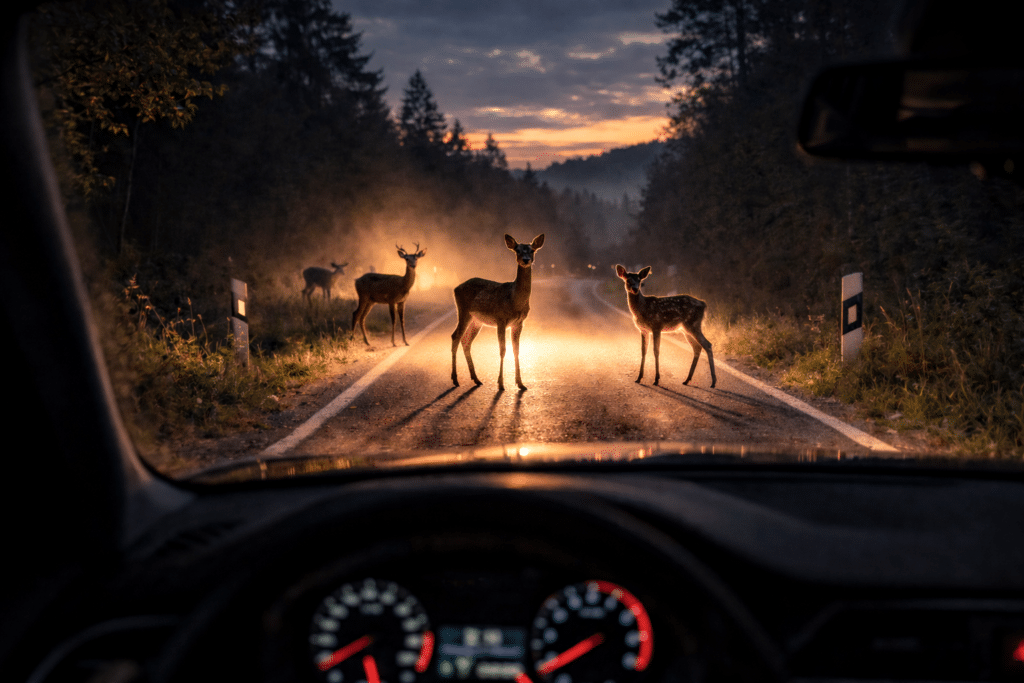
Beware of wildlife: On the night of Sunday, October 25th, the clocks will change for daylight saving time and be turned back one hour.
To the press release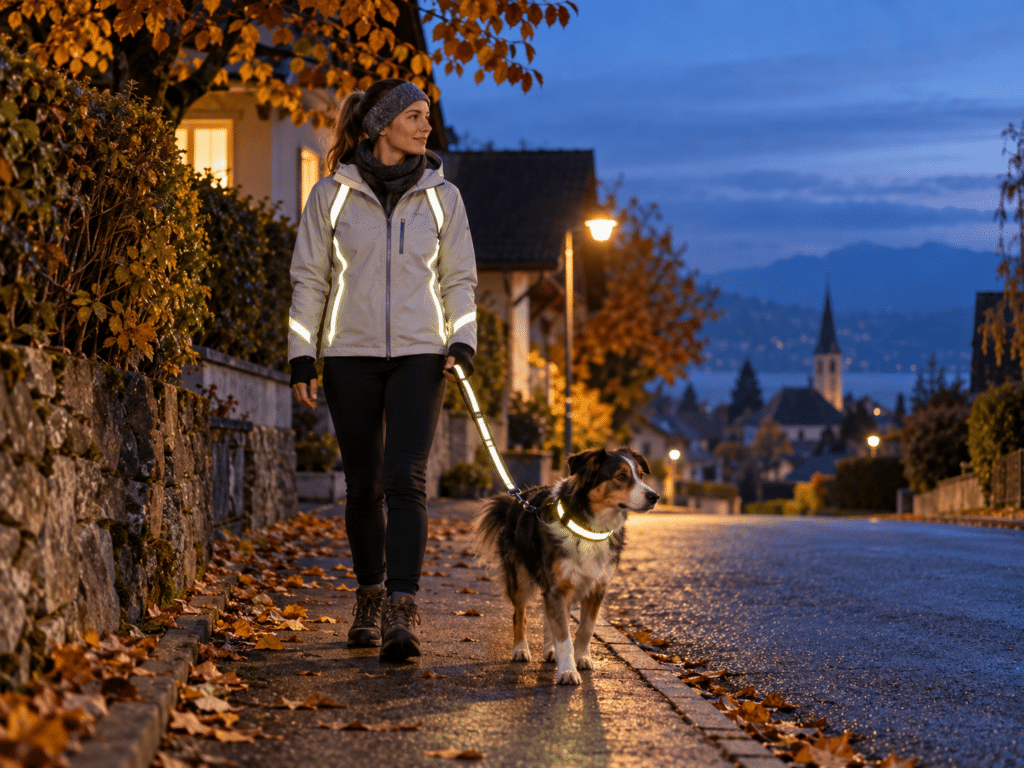
Temperatures are dropping, the days are getting shorter, and people and animals are increasingly out and about at dusk.
To the press release
You are currently viewing placeholder content from reCAPTCHA . To access the actual content, click the button below. Please note that this will involve sharing data with third parties.
More information

