
By leaving a legacy or designating a bequest, you stipulate that a portion of your estate should benefit animals in need. We offer personal consultations and assistance with implementation.
A fixed sum, a share of the estate, or a donation in lieu of flowers. We would be happy to discuss which option best suits your situation.
In your will, you can designate a fixed sum of money or a specific asset in favor of the SUST. This does not make the foundation an heir; the distribution of the inheritance remains the responsibility of your heirs.
This is how a legacy works ›
You can appoint SUST as an heir for a percentage of your estate – either alone or alongside other heirs. SUST will then participate in the division of the estate and handle the settlement together with the other heirs.
How an inheritance appointment works ›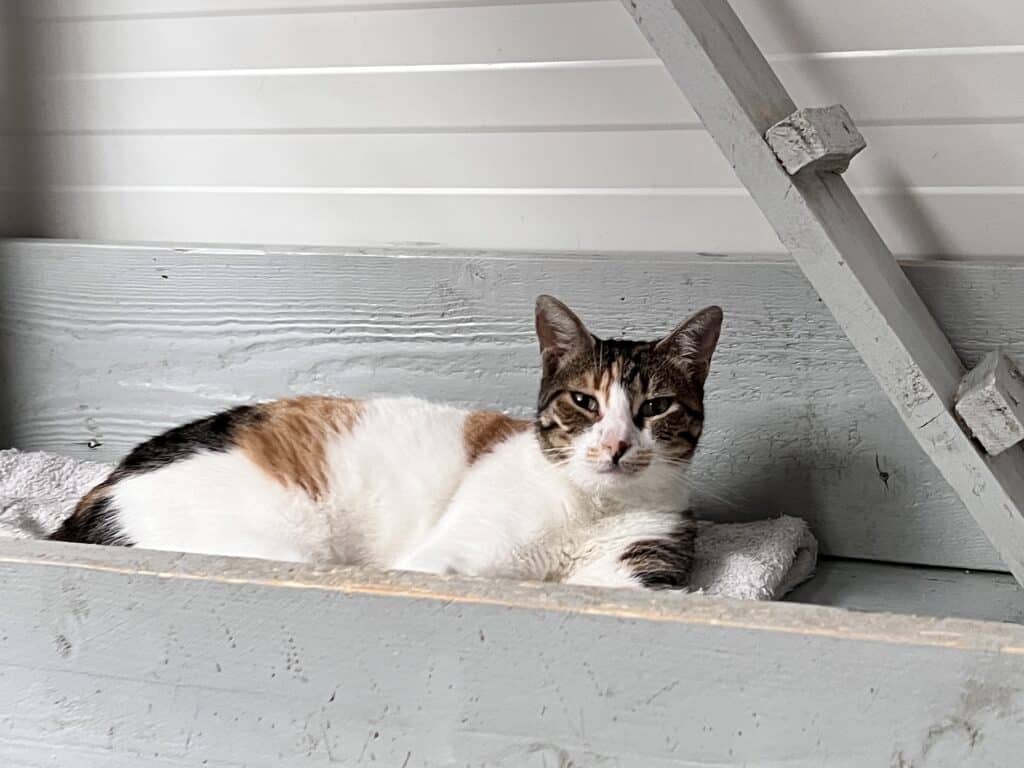
In memory of a person dedicated to animal welfare: Instead of flowers and wreaths, the equivalent value will benefit animals in need. We will assist you with the wording of the obituary and thank all donors.
How to organize a memorial donation ›Four steps that you can take as much time as you need.
Order the free guide or get an overview of your options online.
We will personally take the time to answer your questions. The consultation is free and without obligation.
Handwritten, with place, date and signature – or officially notarized. Templates are available in the guide.
Keep your will in a safe place, for example at the cantonal deposit office or with your notary.
For questions about wills, legacies, or memorial donations, please call or write. What you entrust to us remains with us.
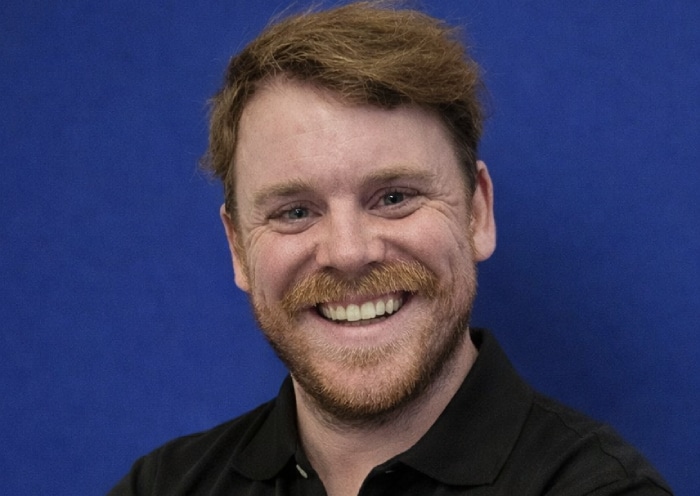
Managing Director · Contact Person for Estate Matters
"Many who contact me have been carrying this idea around for a long time and would like to discuss it in peace and quiet. I am happy to make time for that. Whether and when you decide to put anything in writing afterwards is entirely up to you."
For legal questions concerning wills, inheritance contracts, and estates, two members of the foundation's board of trustees are available to assist you. Both are practicing lawyers and experts in Swiss inheritance law.

Member of the Board of Trustees · Lawyer in Zurich
"New – sometimes legal – questions arise and must be resolved in animal welfare practice. That's why I'm involved with the SUST."
Learn more >
Member of the Board of Trustees · Lawyer in Zurich
"While we used to collect money for animal welfare as children, today I make a legal contribution to sustainable animal protection."
Learn more >The printed guide explains the Swiss inheritance law situation, the online portal DeinAdieu guides you through the wording process, and you can ask your questions directly at the information event.
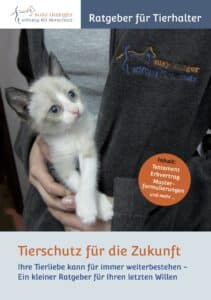
This guide explains the inheritance law situation in Switzerland: You will learn how to write your last will and testament and receive sample wording for your will.
DeinAdieu is an independent, non-profit organization. On its portal, you can prepare your will step by step and arrange a free initial consultation with inheritance law specialists.
An afternoon at the SUST office, from 14 pm to approximately 17 pm: How Swiss inheritance law works, how a legacy is processed, and what happens if something isn't properly arranged. Time for your questions and refreshments will be provided. Participation is free.
Please note: SUST cannot assume liability for a legally sound estate settlement. In cases of complex financial or family circumstances, we recommend consulting a professional and having any dispositions reviewed.
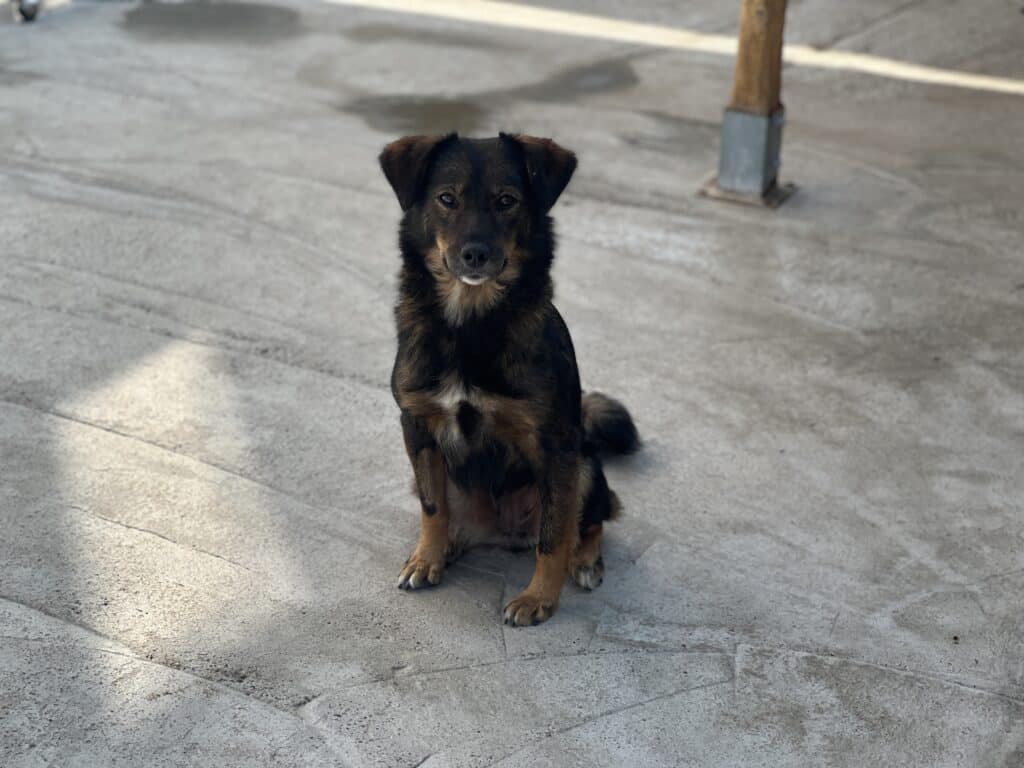
Legacies flow into the work of SUST: into animal orphan hospitals, spay/neuter campaigns, support for animal shelters, and emergency aid. In other words, into animals like these.


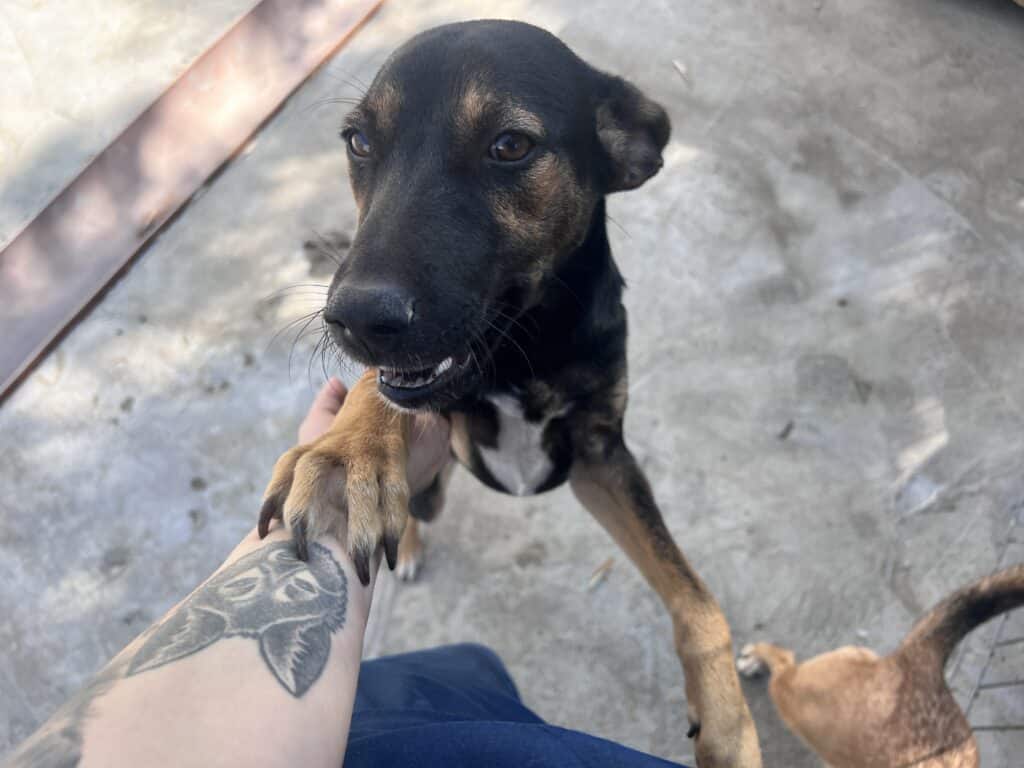

The Susy Utzinger Foundation for Animal Welfare receives no public funding. Its work is financed exclusively through donations and bequests. A bequest therefore not only helps a single project, but also gives the foundation the security to plan for the long term.
Appointment of heirs: You appoint SUST as co-heir or sole heir and transfer a share of your estate to it.
Legacy (bequest): You assign a specific value to the SUST – a sum of money, a securities portfolio, real estate, or a personal item. The legacy is distributed before the estate is divided.
Gift: You transfer assets during your lifetime and experience the immediate impact of your support.
No. The compulsory shares of your descendants and your spouse or registered partner remain protected in any case. You only have access to the freely disposable portion of your estate. This portion has been larger since the inheritance law reform of January 1, 2023, because the compulsory share of descendants was reduced and that of parents was abolished.
Use this full name so that your wishes can be carried out without doubt:
Susy Utzinger Animal Welfare Foundation, Tösstalstrasse 13a, 8488 Turbenthal
IBAN CH87 0900 0000 8466 6666 9
A handwritten will must be entirely handwritten and include the place, date, and your signature. Alternatively, you can have it notarized. Sample wording can be found in the free guide.
Yes. As a non-profit foundation, SUST is tax-exempt. Therefore, no inheritance tax is levied on a bequest or inheritance in favor of SUST; the entire amount benefits animal welfare.
No, SUST is not Zewo-certified. Certification is not currently planned due to cost-benefit considerations; the foundation prefers to invest the resources directly in animal welfare work. Its structures and processes are aligned with recognized industry standards. Furthermore, the annual accounts and activity report are audited annually by the Federal Department of Home Affairs (Art. 84 para. 2 of the Swiss Civil Code).
Yes. You can specify a purpose for your donation in your will – for example, for emergency aid, spay/neuter campaigns, one of the animal orphanages, or Swiss animal shelter support. We would be happy to assist you with the wording. SUST discloses how it uses its funds overall in its annual reports.
Yes. You can change, supplement, or revoke a will at any time, in the same form in which you created it. If more than one will is valid, the more recent one takes precedence over the older one to the extent that they contradict each other. An inheritance contract, on the other hand, can only be changed with the consent of all contracting parties.
No, that's not necessary – but we'd be delighted if you got in touch with us. This way we can answer your questions and show you the impact of your donation. Of course, we'll treat everything confidentially.
The obituary requests that, in lieu of flowers and wreaths, donations be made to the Susy Utzinger Foundation for Animal Welfare (donation account IBAN CH87 0900 0000 8466 6666 9, please include the deceased's name in the payment reference). Upon request, we will inform the family of the donations received with a personal thank-you letter. Please contact us – we can also assist you with the wording.
Since probate takes time, your pet should be cared for from the very beginning. Designate a trusted person, document important information in writing (veterinarian, food, medications), and consider making a supplementary testamentary disposition. We are happy to advise you.
We are happy to assist you personally: +41 52 202 69 69 or benjamin.altorfer@susyutzinger.ch
Whether you already have concrete plans or are approaching the topic for the first time: A conversation is completely non-binding. You can reach Benjamin Altorfer at +41 52 202 69 69.
With a bequest, you leave a specific amount of your estate to the SUST without naming it as an heir. This is the simplest way to include the foundation in your will.
A sum of money, a securities portfolio, real estate, or a personal item. The legacy is distributed before the estate is divided; your heirs will take care of everything else.
A legacy comes from the freely disposable portion of your estate; the statutory shares of your relatives remain unaffected. Name the foundation in full: Susy Utzinger Foundation for Animal Welfare , Tösstalstrasse 13a, 8488 Turbenthal. Sample wording can be found in the guide.
By naming the SUST as an heir, it becomes a co-heir or sole heir and receives a share of your estate, for example a quarter or half.
As an heir, SUST participates in the division of the estate and, together with the other heirs, handles the settlement. As a non-profit foundation, it is exempt from inheritance tax, so its share goes entirely to animal welfare.
The statutory shares of your descendants and your spouse or registered partner remain protected. You can specify the allocation for SUST in your will and, if desired, designate a purpose, such as immediate aid or one of the animal orphanages.
Those who have lost a person who cared deeply about animals can request donations in lieu of flowers and wreaths in their memory.
Please request that, instead of flowers, donations be made to the Susy Utzinger Foundation for Animal Welfare, and specify the donation account IBAN CH87 0900 0000 8466 6666 9, including the name of the deceased. We are happy to assist with the wording.
Upon request, we will inform the relatives about the donations received with a personal thank-you letter.
"My interest in animal welfare issues arose during my studies at the University of Zurich. At that time, Switzerland had its first federal animal welfare law. Parliament debated questions such as: When does a living being qualify as an animal? Which animals require special protection? What should be criminalized? And who should enforce the new law?"
Naturally, the concept of animal welfare is also subject to change over time. New – sometimes legal – questions arise and must be resolved in animal welfare practice. That's why I'm involved with the SUST.
"While we used to collect money for animal welfare as children, today I make a legal contribution to sustainable animal welfare. Animal welfare has many legal facets. The legal basis for upholding the dignity and well-being of animals can be found in the Animal Welfare Act and the Animal Welfare Ordinance."
However, the dignity and well-being of animals are only ensured through the effective implementation of animal protection by non-profit institutions such as the Susy Utzinger Foundation, which raises legal questions, among others, in connection with the Civil Code, the Law of Obligations, the Law of Foundations and other areas of law.
With my professional expertise, I contribute valuable input to the work of the foundation's board of trustees, ensuring that animal welfare can be implemented sustainably and effectively in an operational manner.
You are currently viewing placeholder content from reCAPTCHA . To access the actual content, click the button below. Please note that this will involve sharing data with third parties.
More information